Which Weight Loss Medication is Similar to Ozempic but Cheaper?
If you have been exploring options for managing your weight, you have likely encountered the buzz surrounding GLP-1 receptor agonists like Ozempic. While these medications have revolutionized the medical weight loss field, their skyrocketing costs have left many patients asking: which weight loss medication can provide the same results without the financial burden?
For individuals struggling with obesity or weight-related health issues, the monthly price of brand-name drugs can exceed $1,000, putting effective treatment out of reach for many. Fortunately, advancements in pharmaceutical compounding have created a viable pathway to affordable care. This comprehensive guide will explore which weight loss medication alternatives exist, how they work, and why compounded semaglutide is becoming the preferred choice for budget-conscious patients.

Why Ozempic is Out of Reach for Many Patients
Understanding which weight loss medication is right for you requires first understanding why the market leader, Ozempic, is so expensive. You can discover our approach for additional information. Ozempic (semaglutide) is manufactured by Novo Nordisk, a pharmaceutical giant that invests billions in research, development, and marketing. Consequently, they hold patents that prevent generic competition, allowing them to set premium prices.
Furthermore, Ozempic was initially FDA-approved for the management of Type 2 diabetes. While doctors frequently prescribe it "off-label" for weight loss, many insurance providers refuse to cover the cost for this specific purpose. This leaves patients facing exorbitant out-of-pocket costs. As demand surges, supply shortages have further complicated access, driving prices even higher and prompting patients to seek alternatives.
Compounded Semaglutide: The Smart Alternative
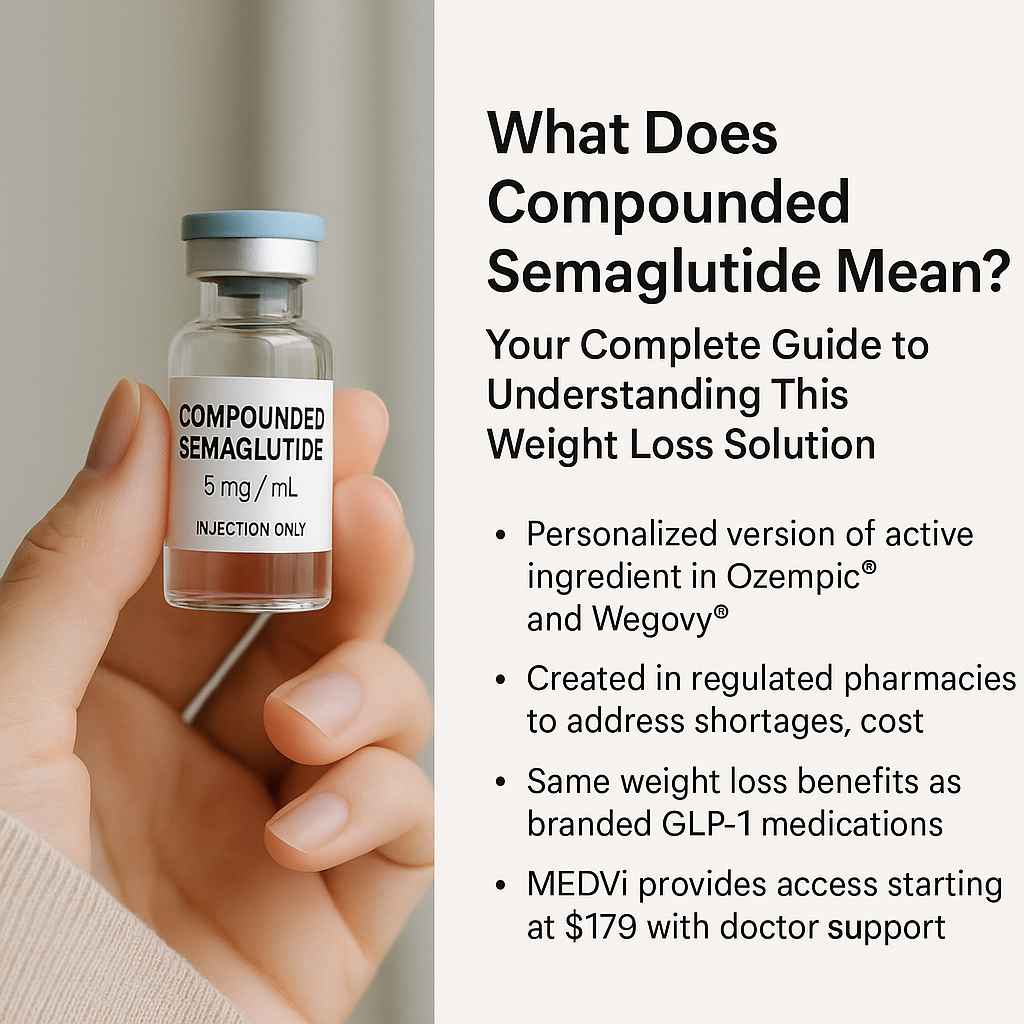
When asking which weight loss medication offers the best value, the answer increasingly points to compounded semaglutide. Compounding pharmacies specialize in creating customized medications tailored to patient needs. In the case of weight loss, they can produce formulations containing the exact same active ingredient found in Ozempic—semaglutide—without the brand-name premium.
Compounded semaglutide is not a "fake" or inferior product; rather, it is a legally prepared medication made in FDA-regulated facilities. By bypassing the branding and marketing overhead of big pharmaceutical companies, compounding pharmacies can offer these life-changing injections at a fraction of the cost.

Same Active Ingredient, Different Manufacturing
The primary concern for patients switching from brand names to compounded options is efficacy. It is crucial to note that compounded semaglutide utilizes bio-identical active ingredients. This means the chemical structure of the medication is identical to that of Ozempic.
- Mechanism of Action: Just like the brand name, compounded semaglutide mimics the GLP-1 hormone, regulating appetite and slowing gastric emptying.
- Blood Sugar Regulation: It aids in controlling blood sugar levels, which is essential for metabolic health and reducing cravings.
- Satiety Signaling: The medication signals the brain to feel full sooner, leading to a natural reduction in calorie intake.
Significantly Lower Cost
The most immediate benefit is the price difference. While brand-name Ozempic can range from $900 to $1,200 per month, compounded alternatives typically cost between $179 and $299. This represents a savings of nearly 80%, removing the financial barrier that prevents many from starting treatment.
FDA-Regulated Facilities
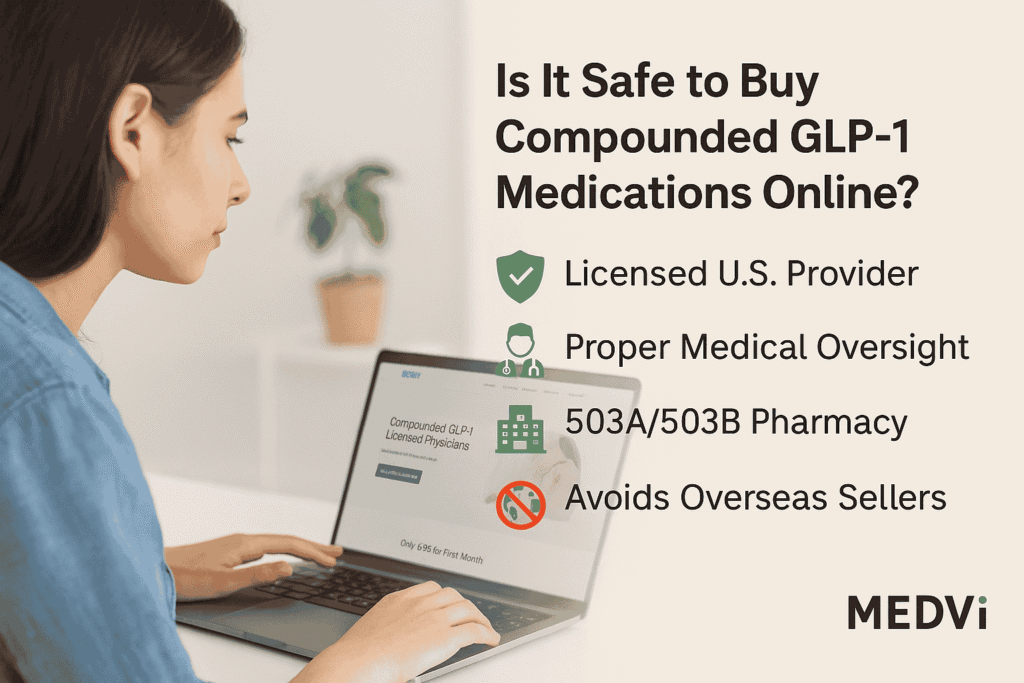
Safety is paramount when considering medication. Reputable providers source their compounded semaglutide from 503A and 503B compounding pharmacies that adhere to strict FDA guidelines. These facilities undergo rigorous testing to ensure sterility, potency, and purity, ensuring that patients receive a safe and effective product every time.
How Compounded Semaglutide Compares to Ozempic
To definitively answer the question of which weight loss medication is superior, we must look at the data. Clinical observations and patient outcomes consistently show that compounded semaglutide delivers results comparable to its branded counterpart.
Effectiveness and Results
Patients utilizing compounded semaglutide report significant weight loss, often averaging 15% to 20% of their total body weight over several months when combined with lifestyle changes. The trajectory of weight loss is nearly identical to that seen in clinical trials for brand-name semaglutide, as the biological mechanism driving the weight loss is the same.
Administration and Dosage
Both medications are administered via subcutaneous injection once a week. However, compounded options often offer more flexibility in dosing. You can learn more about semaglutide for additional information. Providers can tailor the dosage to the patient’s specific tolerance and progress, adjusting the prescription more easily than fixed-dose brand pens might allow. This personalization can help minimize side effects during the titration phase.
Side Effects Profile
Because the active ingredient is the same, the side effect profile is also similar. Patients may experience nausea, constipation, or mild fatigue as their bodies adjust to the medication. With doctor-led coaching and careful dose escalation, these side effects are typically manageable and temporary.
Other GLP-1 Alternatives to Consider
While semaglutide is the most well-known, it is not the only option. If you are researching which weight loss medication is best for your physiology, you might also consider other GLP-1 and GIP agonists available through compounding.
Tirzepatide (Compounded)
Tirzepatide is the active ingredient in Mounjaro and Zepbound. It acts as a dual agonist, targeting both GLP-1 and GIP receptors. Many patients find tirzepatide to be even more effective for weight loss than semaglutide, as the dual action may lead to greater appetite suppression. Compounded tirzepatide offers the same cost-saving benefits as compounded semaglutide.
Oral Semaglutide Tablets
For those averse to injections, oral semaglutide tablets are an alternative. While they generally require daily dosing and may have slightly different absorption rates, they provide a non-invasive option for patients who prioritize convenience over weekly injections.
Why Choose Compounded Medications Over Brand Names?
The decision to choose compounded medications goes beyond just the price tag. It is about accessibility, personalized care, and removing barriers to health.
- Cost Savings: The most obvious advantage is financial freedom. Treatment becomes sustainable long-term rather than a short-term fix dictated by a budget.
- No Insurance Hassles: Compounded medications often do not require insurance approval. This bypasses the prior authorization processes and "fail-first" requirements that insurance companies often impose.
- Personalized Dosing: Compounding allows for precise adjustments. If a patient needs a specific micro-dose that isn't available in a commercial pen, a compounding pharmacy can formulate it.
- Availability: During national shortages of brand-name pens, compounded alternatives can often fill the gap, ensuring patients do not experience interruptions in their therapy.
What to Expect from Treatment
Starting a new regimen can be daunting. Understanding the timeline and lifestyle integration can help set realistic expectations.
Timeline for Results
Weight loss is a gradual process. Most patients begin to notice appetite suppression within the first few weeks. However, significant weight loss typically becomes apparent after 8 to 12 weeks of consistent treatment. Patience and consistency are key.
Lifestyle Integration
Medication is a tool, not a magic cure. The best results come from a holistic approach. This includes a balanced diet rich in protein and vegetables, regular physical activity, and proper hydration. Medical supervision often includes coaching to help integrate these habits.
Medical Supervision
Safe weight loss requires medical oversight. You can learn about GLP-1 treatments for additional information. Regular check-ins allow healthcare providers to monitor your progress, adjust dosages, and ensure there are no adverse reactions. This supervision is a standard part of reputable programs like MEDVi.
Getting Started with Affordable Weight Loss Medication
If you are ready to move forward, the process is simpler than you might think. Telehealth platforms have streamlined the journey from consultation to delivery.
Eligibility Assessment
The first step is determining if you are a candidate. Most providers require a BMI (Body Mass Index) over 30, or over 27 with weight-related comorbidities such as hypertension or high cholesterol. A medical history review ensures safety.
Provider Consultation
Once eligibility is established, you will consult with a licensed physician. This is the time to ask which weight loss medication is best suited for your specific health profile. The doctor will explain
🎯 Ready to Transform Your Health?
Get your free personalized assessment now
Start Your Free Test Learn More