What Happens If You Use Expired Semaglutide: Complete 2025 Safety Guide
As the popularity of GLP-1 receptor agonists like semaglutide continues to soar for both diabetes management and weight loss, patients are increasingly concerned about the integrity of their medication. Whether due to a forgotten pen in the back of the refrigerator or a delayed shipment, a common question arises: what happens if you inadvertently use expired semaglutide?
Using expired medication is never without risk, but the specifics depend heavily on how the medication was stored and how far past the expiration date it is. This comprehensive guide explores the chemical degradation of semaglutide, the potential health consequences of using compromised medication, and why securing a fresh, medical-grade supply is the only safe choice for your health journey.

The Critical Question: What Happens When You Use Expired Semaglutide?
To understand what happens if you inject expired semaglutide, we must first look at the nature of the drug itself. Semaglutide is a peptide-based medication. You can see semaglutide details for additional information. Peptides are chains of amino acids that are inherently fragile. Over time, these chains can break down or clump together, a process known as aggregation or degradation.
When you use semaglutide that has passed its expiration date, you are essentially injecting a solution where the active ingredient may no longer be in its intended state. This leads to two primary issues: reduced therapeutic effectiveness and potential safety hazards .
Understanding Medication Stability
Stability refers to a drug's ability to maintain its physical, chemical, and microbiological properties within specified limits. Manufacturers rigorously test semaglutide to determine its shelf life. The expiration date is the guarantee that the medication will retain at least 90% of its original potency and remain sterile when stored correctly.
Once you cross that date, what happens if you use the product becomes unpredictable. The chemical bonds holding the peptide together may weaken, rendering the molecule unable to effectively bind to GLP-1 receptors in your body. Consequently, the blood sugar regulation and appetite suppression benefits you rely on can diminish significantly.
Why Semaglutide Expires and Loses Effectiveness
Unlike synthetic small-molecule drugs, peptides are sensitive to their environment. Several factors accelerate the expiration process, meaning what happens if you use the medication depends heavily on storage history.

How Pharmaceutical Expiration Dates Work
Manufacturers establish expiration dates based on stability testing under specific conditions. For semaglutide, this typically means storage between 36°F and 46°F (2°C to 8°C) in the original carton to protect it from light. The date ensures that until that point, the medication is safe and effective.
However, what happens if you expose the medication to fluctuating temperatures? Heat accelerates molecular movement, leading to faster breakdown. Conversely, freezing the medication can cause the peptides to denature, much like how an egg white changes texture when cooked. If your medication has experienced temperature excursions—perhaps during shipping or due to a malfunctioning refrigerator—it may degrade well before the printed date.
- Temperature Fluctuations: Exposure to heat or cold can denature the peptide structure.
- Light Exposure: UV rays can catalyze chemical reactions that degrade the active ingredient.
- Humidity Changes: Moisture entering the vial or pen can introduce contaminants.
- Time Beyond Expiration: Even in perfect conditions, chemical breakdown eventually accelerates.
Specific Risks of Using Expired Semaglutide
Patients often wonder if the worst-case scenario is simply that the medication stops working. You can learn how it works for additional information. Unfortunately, the reality is more complex. What happens if you use expired semaglutide ranges from a lack of results to acute physical health risks.

Reduced Therapeutic Effectiveness
The most immediate consequence is a failure of the treatment. For patients managing Type 2 diabetes, this is not merely an inconvenience; it is a health crisis.
- Blood Sugar Control Compromise: Degraded semaglutide loses its ability to stimulate insulin secretion effectively. This can lead to dangerous hyperglycemia (high blood sugar), increasing the risk of long-term complications such as neuropathy, retinopathy, and kidney damage.
- Weight Loss Plateau: Patients using semaglutide for weight management may find their progress stalling. The medication's mechanism for delaying gastric emptying and signaling satiety to the brain relies on the precise molecular structure of the peptide. If the structure is compromised, appetite suppression diminishes, leading to weight regain.
- Inconsistent Results: Because degradation is not uniform, one dose might be slightly potent while the next is inert. This unpredictability makes it impossible to manage blood sugar or caloric intake accurately.
Safety Concerns and Health Risks
Beyond simply not working, expired injectables pose direct physical threats. What happens if you inject a contaminated solution? The risks are severe.
- Bacterial Contamination Risk: Most injectable medications contain preservatives, but these preservatives break down over time. Once they fail, bacteria or fungi can grow in the solution. Injecting contaminated medication can lead to abscesses at the injection site or systemic infections like sepsis.
- Chemical Breakdown Products: As semaglutide degrades, it can form byproducts or aggregates. These chemical breakdown products may provoke an immune response. The body may recognize these degraded peptides as foreign invaders, leading to allergic reactions or injection site inflammation.
- Injection Site Reactions: Expired medication frequently causes increased irritation. You may notice redness, swelling, itching, or pain that is more intense than usual. This is often a sign that the pH balance of the solution has shifted or that particulates have formed.

Timeline: How Quickly Semaglutide Loses Potency
Understanding the timeline of degradation helps clarify the severity of the risk. What happens if you use semaglutide one day past expiration versus one year differs significantly, though caution is always advised.
1-3 Months Past Expiration
In the initial months following the expiration date, the medication may retain a significant portion of its potency, perhaps 80-90%. However, the sterility guarantee is void. The primary risk here is a gradual reduction in blood sugar control or a slight slowdown in weight loss, coupled with the early stages of preservative breakdown.
3-6 Months Past Expiration
During this period, potency loss accelerates. The medication may drop below 70% effectiveness. For a diabetic patient, this means the drug is no longer therapeutic. Furthermore, the risk of chemical degradation increases, making the solution more likely to cause injection site irritation.
6+ Months Past Expiration
At this stage, what happens if you use the medication is largely negative. Potency is likely compromised beyond therapeutic levels. The solution may appear cloudy or contain particles. The risk of bacterial contamination is high, and the medication should be discarded immediately regardless of appearance.
How to Identify Degraded Semaglutide
Visual inspection is a crucial step before administration. While you cannot always see degradation, there are clear warning signs.
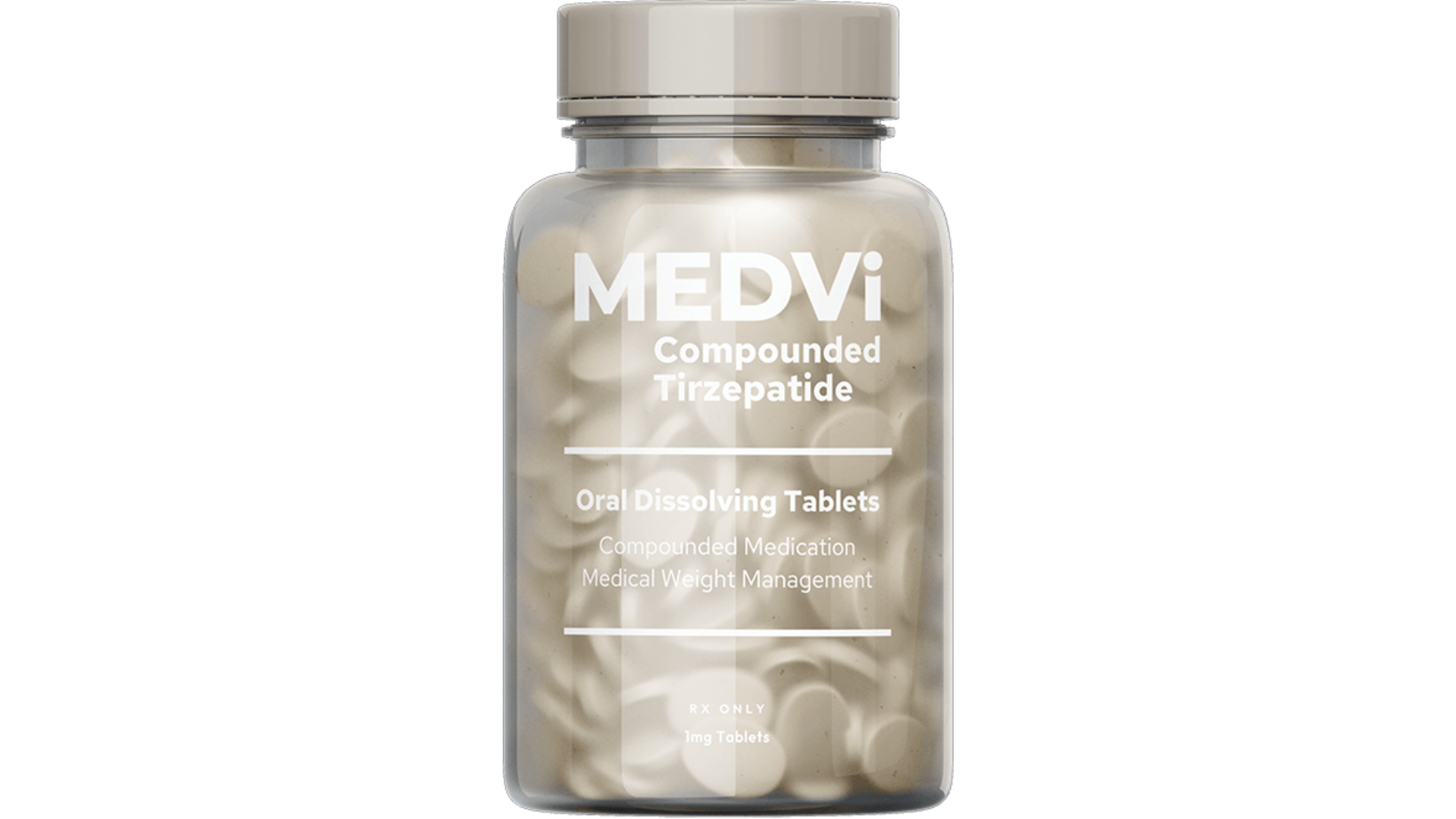
Visual Warning Signs
- Cloudiness or Particles: Fresh semaglutide should be clear and colorless. If you see floating particles, "floaters," or cloudiness, the medication has aggregated.
- Color Change: Any yellowing or browning indicates oxidation.
- Crystals: If the solution was frozen and thawed, crystals may form, altering the dosage concentration.
Therapeutic Warning Signs
Even if the liquid looks clear, be alert to how your body responds. A sudden spike in hunger (for weight loss patients) or unexplained blood sugar fluctuations (for diabetes patients) suggests the medication is no longer active.
Why Patients Consider Using Expired Semaglutide
Despite the risks, patients often hesitate to discard expensive medication. The primary driver is cost. GLP-1 medications can be prohibitively expensive, leading individuals to wonder if they can stretch their supply.
However, what happens if you prioritize short-term savings over long-term health? The cost of treating a severe infection or managing uncontrolled diabetes complications far outweighs the price of a fresh prescription. Additionally, insurance issues and supply shortages can tempt patients to use old stock found in drawers.
MEDVi’s Fresh Medication Guarantee
At MEDVi, we understand that cost and accessibility are major barriers. That is why we have developed a model that removes the need to ever consider using expired medication. We believe that financial constraints should never force a patient to compromise on safety.
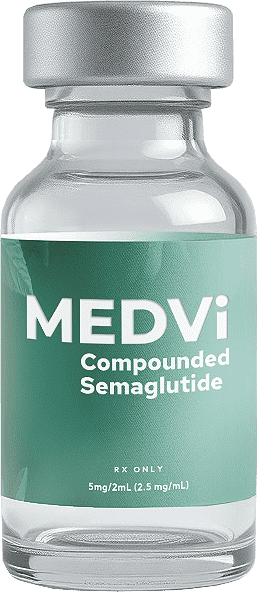
MEDVi’s Solution to Cost Barriers
We provide fresh, FDA-regulated semaglutide starting at just $179 monthly. By cutting out the middlemen and working directly with FDA-regulated pharmacies, we ensure that your medication is potent,
🎯 Ready to Transform Your Health?
Get your free personalized assessment now
Start Your Free Test Learn More