Does GLP-1 Make You Tired? Understanding Fatigue and Energy Changes with GLP-1 Medications
If you are considering starting a GLP-1 medication or have recently begun your treatment journey, you may be asking yourself: Does GLP-1 make you tired? It is a valid and common concern among patients navigating weight loss treatments. While the promise of significant weight loss is exciting, the prospect of dealing with fatigue can be daunting.
The short answer is that yes, GLP-1 medications can cause initial fatigue . However, this side effect is typically temporary and manageable. For most patients, the initial tiredness gives way to a sustained increase in energy as they lose weight and their metabolic health improves. In this comprehensive guide, we will explore why this fatigue occurs, how long it lasts, and actionable strategies you can use to manage your energy levels effectively.

Winter Promotion Save $120 + Free Shipping
Ready to start your journey with affordable, physician-supervised care? For a limited time, take advantage of our Winter Promotion and save $120 on your treatment plan, plus enjoy free, expedited delivery directly to your door.
Do GLP-1 Medications Cause Fatigue?
Yes, GLP-1 medications can initially cause fatigue, but this is typically a temporary side effect that occurs during the first two to four weeks of treatment. The tiredness happens because your body is adjusting to significant metabolic changes, including reduced appetite and stabilizing blood sugar levels.
When you ask, " Does GLP-1 make you tired? ," it is important to understand the context. This fatigue is not necessarily a sign that something is wrong; rather, it is often a signal that your body is shifting from its previous metabolic set point to a healthier state. This transition requires energy, which can leave you feeling temporarily drained.
The good news? At MEDVi, their patients consistently report that initial fatigue quickly gives way to dramatically improved energy levels. With their physician-supervised programs and 24/7 medical support, we help you navigate this adjustment period successfully.

What Are GLP-1 Medications?
To understand the side effects, it helps to understand what these medications are. GLP-1 (glucagon-like peptide-1) medications are a class of prescription treatments originally developed to manage Type 2 diabetes. They have gained immense popularity for their effectiveness in weight management. These drugs work by mimicking the natural GLP-1 hormone in your body, which regulates appetite and insulin secretion.
Popular GLP-1 medications include:
- Semaglutide (Wegovy, Ozempic) – Available at MEDVi starting at $179
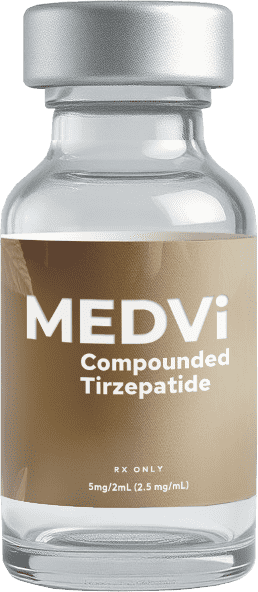
- Tirzepatide (Mounjaro, Zepbound) – Available at MEDVi starting at $279
- Liraglutide (Saxenda)
These medications work by regulating appetite, slowing gastric emptying, and improving blood sugar control, leading to an average weight loss of 15-20% of body weight. By slowing down how quickly food leaves your stomach, they help you feel fuller longer, naturally reducing your caloric intake without the intense hunger pangs usually associated with dieting.
Want to learn which GLP-1 medication is best for your goals? Speak with the medical team today – no insurance required.

Why Does GLP-1 Make You Tired Initially?
When patients ask, "Why does GLP-1 make me tired?", the answer usually lies in three primary physiological changes: caloric reduction, blood sugar fluctuation, and digestive adjustments.
Reduced Caloric Intake
GLP-1 medications significantly reduce appetite, often resulting in a 30-50% decrease in daily caloric intake. While this is excellent for weight loss, it represents a sudden shift for your metabolism. You can learn how it works for additional information. Your body is essentially switching fuel sources. If you were consuming 2,500 calories a day and suddenly drop to 1,500, your body may react with lethargy as it adapts to operating on fewer calories. This sudden change can cause fatigue as your body adapts to operating on fewer calories.
Blood Sugar Regulation Changes
As GLP-1 medications stabilize your blood sugar levels, you may experience energy fluctuations during the first few weeks of treatment. If you are used to spikes and crashes in blood sugar (often caused by high-sugar diets), the stabilization process can feel like low energy to your brain, which craves those glucose spikes. Furthermore, as insulin sensitivity improves, your cells are processing glucose differently, which can temporarily affect how you feel.
Digestive System Adjustments
GLP-1 slows gastric emptying, which affects how your body processes nutrients and can temporarily impact energy levels. Because food stays in the stomach longer, the absorption of energy-providing nutrients is delayed. This can lead to a feeling of sluggishness, especially after meals, until your digestive system adapts to the new rhythm.

MEDVi Patient Success Story: “I was worried about feeling tired, but Dr. Johnson’s team helped me adjust my nutrition perfectly. By week 3, I had more energy than I’d felt in years!” – Sarah M., lost 45lbs .
When Do Energy Levels Improve on GLP-1?
Patience is key when starting GLP-1 therapy. While the first few weeks can be challenging, the timeline for energy recovery is generally consistent for most patients.
The Adjustment Period (Weeks 1-4): This is when fatigue is most common. You are getting used to the medication, and your body is learning to function on a lower caloric intake.
The Turning Point (Weeks 4-8): As your body stabilizes, many patients report a "lifting" of the brain fog. You begin to adjust to the new portion sizes, and your blood sugar levels become more consistent.
Long-Term Improvement (Month 2+): Once significant weight loss begins, the mechanical load on your body decreases. Carrying less weight requires less energy, meaning daily tasks become easier. Additionally, improved sleep quality (often a result of weight loss and better blood sugar control) contributes to higher daytime energy levels.
How to Manage Fatigue While Taking GLP-1
You do not have to simply endure the fatigue. There are proactive steps you can take to mitigate the tiredness and keep your daily life on track.
Nutrition Strategies
Since you are eating less, every bite counts. It is crucial to focus on nutrient-dense foods.
- Prioritize Protein: Protein provides sustained energy and helps preserve muscle mass
🎯 Ready to Transform Your Health?
Get your free personalized assessment now
Start Your Free Test Learn More