GLP-1 Online Cost Comparison: No Insurance & No Subscriptions
Finding affordable GLP-1 medications online has become a complex and often frustrating endeavor. With the rising popularity of weight loss treatments, Big Pharma continues to demand high insurance deductibles, while major telehealth platforms have introduced confusing monthly subscription models that balloon costs over time.
At MedVi , we remove both barriers. We believe that accessing metabolic health treatments should not require a finance degree. We offer transparent, cash-pay pricing with $0 monthly fees and no insurance requirements , ensuring you know exactly what you pay for your GLP-1 therapy.

If you have tried to price-shop for weight loss medications online, you have likely encountered a dizzying array of “introductory offers,” hidden subscription fees, and confusing insurance terms. One site promises “$99/month” but hides a mandatory membership fee in the fine print. Another claims “$199,” but only if you pay thousands of dollars upfront for a bulk commitment.
At MedVi, we believe healthcare pricing should be radically transparent. The cost of your metabolic health shouldn’t be a surprise you find on your credit card statement three months later. This comprehensive guide audits the Total Annual Cost of the top online weight loss providers in 2026, breaks down the “membership taxes” hidden in the fine print, and explains why the new government coverage models might not save you money anytime soon.
Winter Promotion: Save $120 + Free Shipping
For a limited time, take control of your health with our exclusive winter offer. You can see how our process works for additional information. Get $120 off your first order plus free, expedited delivery directly to your door. No code needed.

Key Takeaways (TL;DR)
- Retail Price Shock: Without insurance, brand-name pens like Wegovy® cost ~$1,349/mo at pharmacies.
- The Hidden “Membership” Tax: Providers like Ro charge a $145/mo membership fee on top of medication costs, bringing the total to over $440/mo.
- The “Bulk” Trap: Companies like Hers advertise low rates ($199), but often require an upfront payment of 6-12 months (up to ~$2,400) to unlock them.
- Medicare Reality: Despite proposed pilot programs for late 2026, Medicare generally does not cover weight-loss drugs for patients without diabetes or heart disease.
- The MedVi Solution: We use a $179/mo all-inclusive model (Medication + Provider + Shipping) with zero insurance requirements and no long-term contracts.
The “Double Cost” of Standard Telehealth: Explain the Math Clearly
When shopping for GLP-1 therapies online, most consumers fall into one of two financial traps. We call this the “Double Cost” phenomenon. It is the result of trying to fit a modern medical necessity into an archaic insurance framework or a predatory subscription model.

The Insurance Trap
Many patients attempt to use their insurance to cover brand-name GLP-1 drugs. However, this often leads to paying high copays, meeting massive deductibles (sometimes $2,000+), and spending months waiting for prior authorizations that are ultimately denied. Even if approved, the “cost” includes the stress of paperwork and the uncertainty of coverage renewal every few months.
The Subscription Trap
To bypass insurance, many turn to telehealth competitors. However, these platforms often charge a monthly membership fee just to “be a patient.” You might pay $99/mo to a telehealth provider just to wait for an insurance denial, or pay a membership fee on top of the cost of compounded medication.
The MedVi Solution
We bypass the insurance queue and the membership fee entirely. MedVi provides a direct-to-patient model where you pay one flat rate for high-quality compounded medication that is available now . No membership taxes, no surprise deductibles.
The Master Comparison Chart (2026)
We analyzed the pricing models of the major online clinics. Here is how they stack up for a cash-pay patient (someone without insurance or subscription coverage for weight loss, which accounts for ~70% of applicants).
| Provider | Insurance Hassle | Monthly Membership Fee | Total Monthly Cost (Cash Pay) |
|---|---|---|---|
| MedVi (Winner) | NOT REQUIRED | $0.00 | $299 (All-Inclusive) |
| Traditional Brand Name (Wegovy®) | Required (High Denials) | N/A (Pharmacy) | $1,300+ (Without Coverage) |
| Competitor “R” (Ro) | Often Pushed | ~$145 / mo | $400+ (Membership + Meds) |
| Competitor “M” (Mochi) | Optional | ~$79 / mo | ~$254 (Membership + Meds) |
*MedVi pricing includes consultation, medication, and shipping. Competitor pricing estimated based on publicly available 2026 data for compounded semaglutide.
Calculate Your Personal Savings
Use the following framework to calculate how much you would save with MedVi over the course of a year compared to the leading competitors.
- Competitor Annual Cost: (Monthly Med Cost + Monthly Membership Fee) x 12
- MedVi Annual Cost: $299 x 12 (Includes everything)
- Your Savings: Competitor Annual Cost - MedVi Annual Cost
For most users, the savings exceed $1,500 per year when switching from a high-fee subscription model to MedVi.

Provider Breakdown: Where the Hidden Costs Are
To truly understand the value of GLP-1 treatment, you must look beyond the advertised sticker price. We have audited the major players to reveal where your money actually goes.
MedVi vs. Competitors: The “Freedom” Comparison
1. Ro (The Body Program)
Ro is one of the largest players in the telehealth space. While they offer a sleek interface, their pricing model is heavily reliant on subscription revenue. Patients often find that the “cost of medication” is separate from the “cost of the program,” which includes access to providers and coaching. This separation effectively doubles your monthly outlay compared to MedVi’s all-in-one pricing.
2. Hers & Hims
These platforms popularized the direct-to-consumer health model. However, for weight loss injections, they frequently utilize a “bulk” trap. To get the advertised low price per month, you are often required to prepay for 6 to 12 months of treatment. This creates a high barrier to entry (upfront costs of ~$2,400) and locks you into a contract, regardless of whether the medication works for you or if you experience side effects.
3. WeightWatchers Clinic
WeightWatchers (WW) has partnered with telehealth providers to offer clinical solutions. You can discover semaglutide options for additional information. While their coaching app is robust, the clinic costs are often marked up to cover the overhead of their corporate structure. You are paying for the brand name and the app integration, not just the GLP-1 medication itself.
Weight Loss Injection Costs Without Insurance (Retail)
For patients who choose to go the retail pharmacy route without insurance, the costs are staggering. These prices reflect the manufacturer's list price (WAC) and do not include pharmacy dispensing fees.
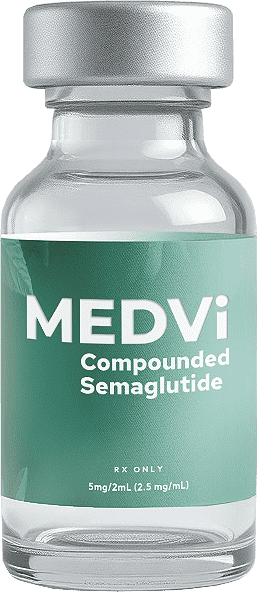
- Wegovy® (Semaglutide): ~$1,349 per month
- Zepbound® (Tirzepatide): ~$1,060 per month
- Saxenda® (Liraglutide): ~$1,350 per month
These prices put effective treatment out of reach for the average American, driving the demand for compounded alternatives like those offered at MedVi.
The Truth About Medicare & Medicaid Coverage (2026 Update)
Many patients hope that government insurance will provide a safety net for these high costs. Unfortunately, the reality in 2026 remains restrictive.
Medicare Part D: Still Mostly a “No”
Medicare Part D plans are statutorily prohibited from covering drugs used for weight loss. While a recent bill (the Treat and Reduce Obesity Act ) has been discussed, and pilot programs like “BALANCE” have been proposed, actual coverage remains limited to patients treating Type 2 Diabetes or cardiovascular disease (using Ozempic® or Mounjaro® off-label). If your primary diagnosis is obesity, Medicare will likely deny the claim.
Medicaid: State-by-State Restrictions
Medicaid coverage varies by state. While some states have expanded coverage to include obesity treatments, many have strict prior authorization requirements and step-therapy protocols (requiring you to fail on cheaper drugs first). Even when covered, the copays can be high, and preferred drug lists may limit you to specific brands that are currently in shortage.
Can Manufacturer Savings Cards Lower the Price?
Novo Nordisk and Eli Lilly offer savings cards for Wegovy® and Zep
🎯 Ready to Transform Your Health?
Get your free personalized assessment now
Start Your Free Test Learn More