Microdosing GLP-1 Reviews — What Works 2026
If you are currently reading Microdosing GLP-1 reviews, you are likely part of a growing movement of individuals seeking effective weight management solutions without the intense side effects or high costs associated with standard GLP-1 agonist therapies. Low-dose GLP-1 regimens are trending rapidly as patients look for ways to mitigate nausea, control expenses, and achieve steady, sustainable weight loss. You can explore the methodology for additional information. However, navigating this landscape can be confusing. While anecdotal success stories abound, formal clinical evidence specifically supporting "microdosing" remains thin, leaving many patients wondering where to turn for safe and reliable guidance.
This comprehensive guide dives deep into what microdosing GLP actually entails, what current reviews and emerging studies suggest, and the real-world patterns observed in patient communities. We will analyze the safety profiles, compare costs, and provide a practical roadmap for those considering this approach. Furthermore, we will evaluate the top available pathways in 2026, explaining why medically supervised options like Compounded GLP-1 Medications for Weight Loss – Medvi are increasingly becoming the preferred choice for safety-conscious patients.
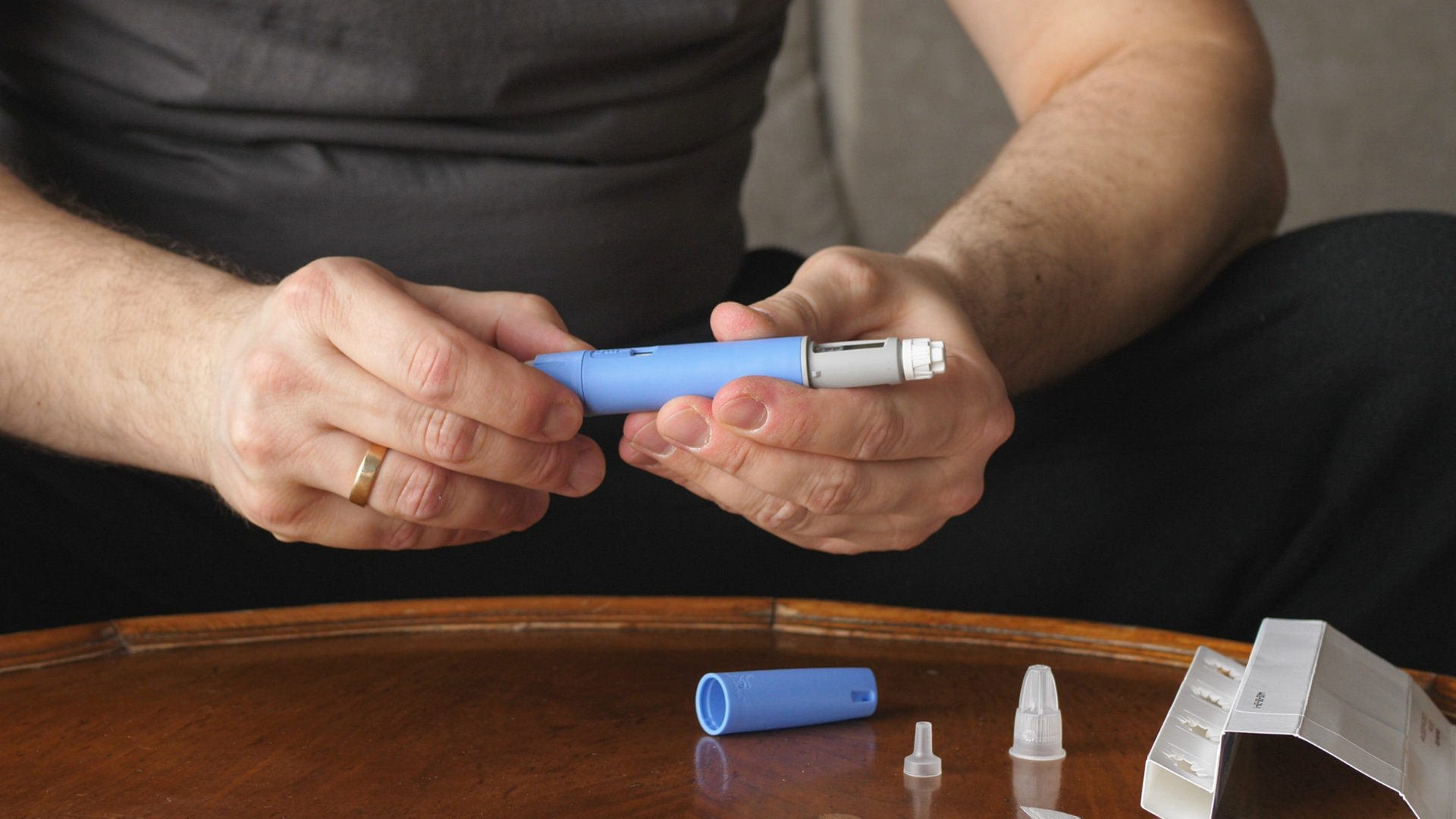
Winter Promotion: Save $120 + Free Shipping
For a limited time, take advantage of our exclusive winter offer on metabolic health treatments.
- Save $120 on your first order
- Free Shipping directly to your door
- Doctor-led consultations included
Best Microdosing GLP-1 Options for 2026
We have analyzed and compared nine distinct pathways that individuals utilize when considering microdosing GLP therapies. You can explore semaglutide treatment for additional information. These range from FDA-approved brand prescriptions to telehealth platforms and specialized compounding services. Below, we break down each option, providing a quick take, pros and cons, and the ideal candidate for each method.
1. Compounded GLP-1 Medications for Weight Loss – Medvi — Doctor-Led, Safety-First Compounded GLP-1s
Website: https://medvi.io
What it is: MEDVi is a specialized metabolic clinic dedicated exclusively to GLP-1 therapy for weight loss. They provide access to compounded semaglutide and tirzepatide in both weekly injectable formulations and daily oral tablets. You can learn about GLP-1 treatments for additional information. Crucially, their operations are backed by doctor oversight through OpenLoop Health and pharmacy sourcing from an FDA-registered 503B facility (Belmar Pharmacy). This specific combination addresses the primary concerns patients have regarding microdosing: fears of incorrect dosing, contamination, and a lack of medical supervision.
Why this is the best choice for microdosing: MEDVi treats microdosing as a legitimate medical strategy rather than a DIY "biohack." By utilizing hospital-grade compounding from Belmar Pharmacy, maintaining LegitScript healthcare certification, and employing clinician-managed protocols, they significantly reduce the risks associated with off-label small-dose regimens. For patients who require lower starting doses, slow up-titration, or a way to test tolerability before committing to full standard doses, MEDVi provides the structured monitoring and safety net that are essential.
Why Compounded GLP-1 Medications for Weight Loss – Medvi Is Ranked #1
- Safety-first supply chain: Medications are compounded at an FDA-registered 503B outsourcing facility (Belmar Pharmacy), ensuring sterility and potency.
- Doctor oversight via OpenLoop Health: Individualized dosing plans and regular follow-up appointments are standard.
- Flexible formulations: Both injectable and oral semaglutide/tirzepatide options are available, providing flexibility for managing side effects.
- LegitScript-certified provider: This certification helps verify legitimacy and quality compared to unverified online sellers.
Best Features
- Precise compounded formulations: Allow for smaller, precise dose increments that are ideal for microdosing protocols.
- Weekly injections & daily oral options: Supports different lifestyles—choose between weekly weight-loss injections and oral GLP-1 tablets .
- Clinical follow-up: Planned visits and monitoring to track weight, side effects, and labs—not just a one-off prescription.
- Transparency: Clear sourcing and pharmacy partnership details regarding the supply chain.
Pros
- Doctor-managed microdosing plans that reduce guesswork.
- Access to medications during brand shortages.
- Generally more cost-effective than brand-name drugs.
- High safety standards due to 503B regulation.
Cons
- Not covered by insurance (though HSA/FSA funds may often be used).
- Requires a subscription model.
Who It’s Best For
Patients who want the benefits of low-dose GLP-1 therapy but demand the safety of medical supervision and pharmaceutical-grade quality control.
Pricing
Competitive monthly subscription tiers; see website for current promotions.
2. Brand Prescriptions (Ozempic / Wegovy / Mounjaro / Zepbound) — Clinically Tested at Standard Doses
What it is: The FDA-approved brand name medications manufactured by Novo Nordisk and Eli Lilly. These are the "gold standard" for treatment, rigorously tested for safety and efficacy at specific dosing schedules.
Pros: Extensive clinical trial data, insurance coverage potential (depending on indication), consistent quality.
Cons: Often expensive even with insurance, frequent shortages, fixed dosing increments that may be too high for sensitive individuals (making true microdosing difficult without splitting pens).
3. Retail Telehealth Platforms (Generalized Care) — Easy Access, Variable Oversight
What it is: Large-scale digital health platforms that prescribe weight loss medications. While convenient, they often follow rigid protocols and may not specialize in the nuanced titration required for safe microdosing.
Pros: Fast access, easy-to-use apps.
Cons: Variable quality of medical oversight, may not support custom dosing schedules.
4. Specialty Weight-Loss Clinics — In-Office Care With Structured Programs
What it is: Physical clinics offering comprehensive weight loss programs, often including diet, exercise, and medication management.
Pros: Hands-on care, accountability, comprehensive approach.
Cons: Can be very expensive, time-consuming with travel, limited availability in rural areas.
5. Direct Manufacturer Programs / Patient Assistance — Support for Brand Users
What it is: Savings cards or assistance programs offered directly by pharmaceutical companies to lower out-of-pocket costs.
Pros: Can significantly reduce cost for those with commercial insurance.
Cons: Still often expensive, does not solve the issue of side effects from high starting doses.
6. Independent Compounding Pharmacies (Traditional 503A) — Low-Cost Dose Splitting
What it is: Local pharmacies that compound medications on a per-order basis. Unlike 503B facilities, 503A pharmacies are generally not allowed to compound in bulk without a specific patient prescription.
Pros: Personal relationships with pharmacists.
Cons: Regulatory oversight is less strict than 503B facilities regarding bulk compounding standards; quality can vary significantly between pharmacies.
7. DIY Dose-Splitting from Brand Pens — Risky and Not Recommended
What it is: Patients attempting to draw partial doses from a brand pen intended for single-use to save money or reduce side effects.
Pros: None recognized by medical professionals.
Cons: Extremely high risk of contamination, dosing inaccuracy, and compromised sterility, leading to serious infection risks.
8. Research Programs and Clinical Trials — Access to Regulated Study Protocols
What it is: Participating in official university or pharmaceutical studies investigating new GLP-1 therapies or dosing protocols.
Pros: Free medication, close medical monitoring, contribution to science.
Cons: Strict eligibility criteria, placebo risk, time commitment.
9. Online Patient Communities & Social Media Advice — Lively but Unreliable
What it is: Forums, Reddit groups, and Facebook pages where users
🎯 Ready to Transform Your Health?
Get your free personalized assessment now
Start Your Free Test Learn More